We usually prepare for a journey by adding. Another stop, another viewpoint, another thing it would be a shame to miss given that you are already in the area. The plan grows until it is dense enough that the trip becomes a matter of execution.
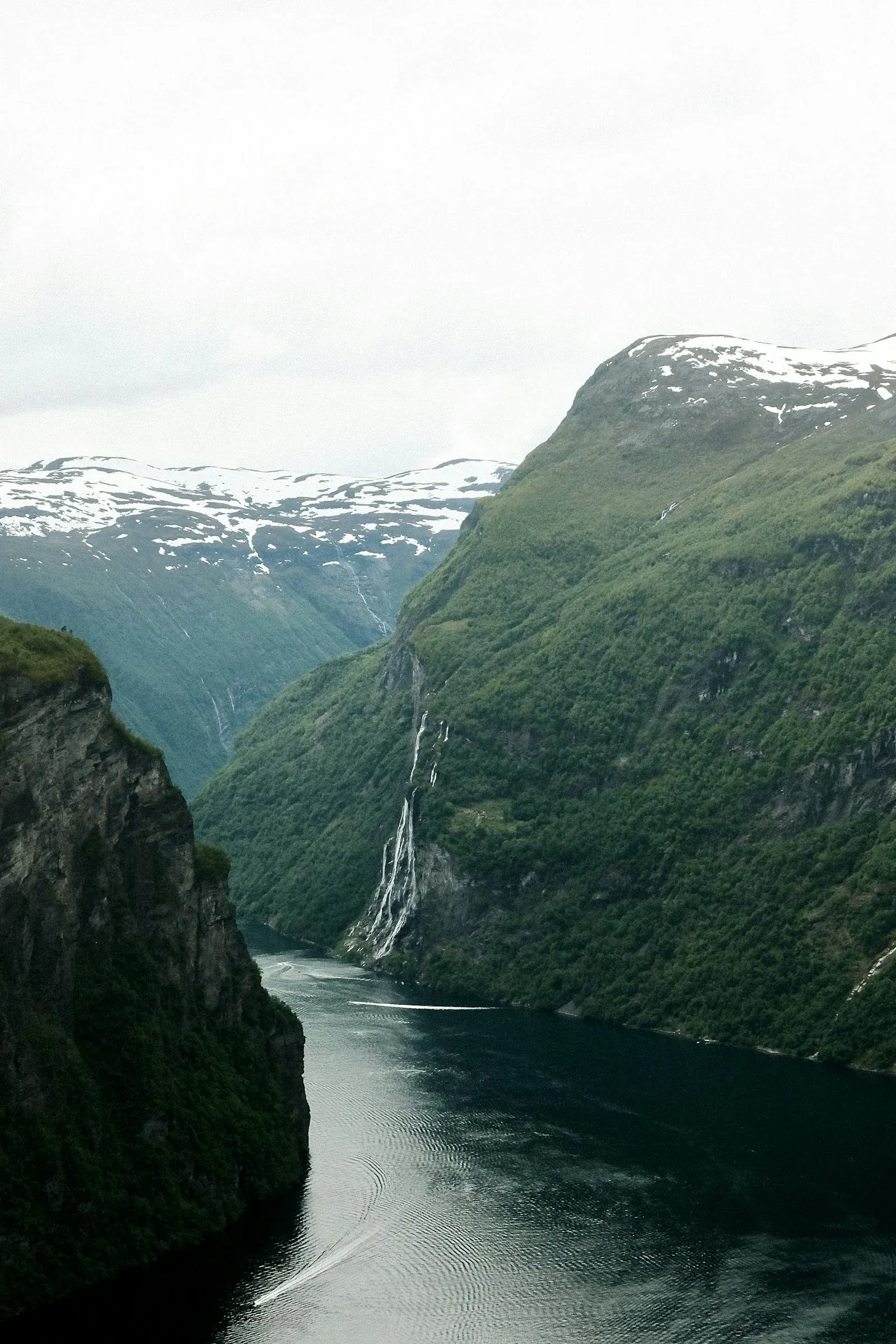
Last spring we tried the opposite, on a week in western Norway. The rule was simple and slightly uncomfortable: one fixed thing per day, maximum. Everything else had to be decided that morning, outside, with weather information.
What we cut
The list of things removed was longer than the list of things kept:
- The second viewpoint. There is always a second viewpoint. It is always forty minutes away and it is always broadly the same view.
- The drive-through day. We had originally planned one day that was mostly road, in order to reach a place we had seen photographs of. We deleted it and stayed put.
- The reservations. Not all of them — ferries still need booking. But the restaurants went, and with them the obligation to be somewhere at seven.
- Half the camera kit. Jonas will disagree with me about this one. He was right about the tripod.
What that left was roughly four hours of committed time per day and the rest genuinely open.
What that actually felt like
Uneasy, at first. There is a real anxiety to standing outside a cabin at nine in the morning with no plan and good weather, feeling like the day is escaping. It took about forty-eight hours for that to subside.
After that, the days got noticeably better. We walked further, because we were not saving time for something later. We turned around twice, because there was no plan that turning around would have ruined. On the fourth day it rained hard from dawn and instead of driving through it to keep a schedule, we did nothing at all until two in the afternoon, and then the cloud lifted off the fjord in about twenty minutes and we had the best evening of the week.
None of that was in the plan, because there was no plan for it to be in.
The part that transfers
I am wary of turning one good week into a philosophy. Some trips genuinely need a schedule — short ones, ones with other people’s time in them, ones where the thing you came for happens at a specific hour.
But the default is worth questioning. Most itineraries are built to protect against regret rather than to produce good days, and those are not the same objective. A packed plan reliably prevents the feeling that you wasted the trip. It also reliably prevents the trip from surprising you.
Pack less. Book less. Leave the middle of the day empty and see what walks into it.